


Abercrombie & Fitch
4.82.28K Reviews
App Specs
- Version
- 10.2.0
- Updated On
- License
- Free
- Downloads
- 1,000,000+
- Developer
- Abercrombie & Fitch Co
- Categories
- Shopping
- Platform
- Android
Screenshots
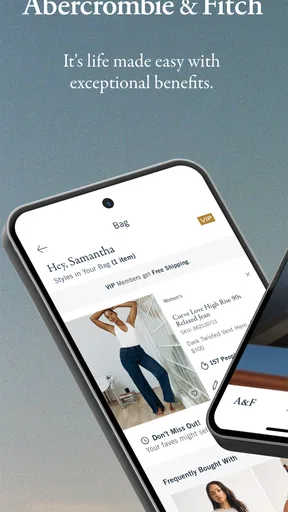
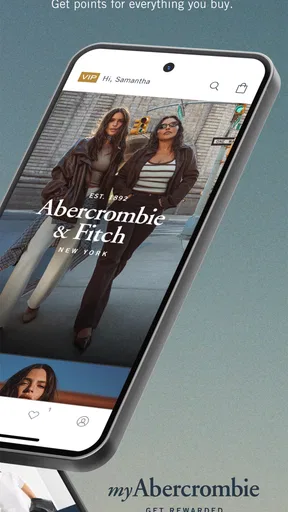
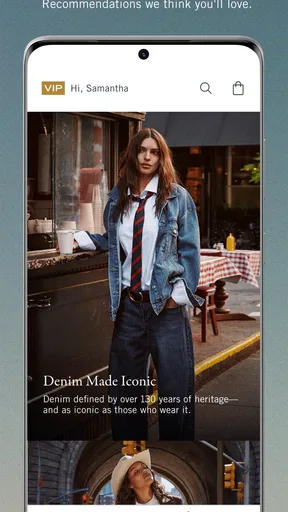
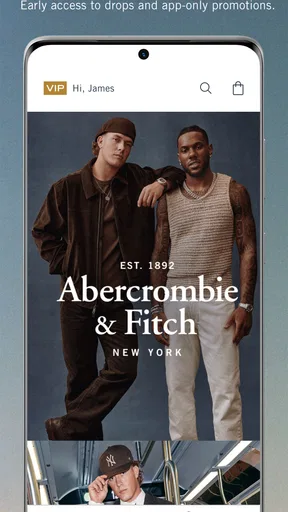
 Analysis by AppCompare
I approached Abercrombie & Fitch as a shopping app rather than simply a digital version of a clothing store. My main question was practical: does it make browsing, choosing, and managing an order feel clear enough to trust? The answer is mostly yes, although the experience is strongest for shoppers who already know the brand and weakest for anyone expecting a broad marketplace with lots of unrelated labels.
The app is free, aimed at Everyone, and developed by Abercrombie & Fitch Co. It belongs firmly in the shopping category, with a focus on the company’s own clothing and accessories. That narrow scope is important. You are not opening it to compare dozens of sellers or hunt through every style category imaginable; you are using a direct channel for Abercrombie & Fitch collections, product discovery, and purchases.
In everyday use, I found the most convincing part of the experience to be its directness. The brand, product imagery, and shopping path are all connected, so there is less uncertainty about who is selling the item. That does not remove the normal decisions involved in online clothing shopping, such as fit, fabric, color, and availability, but it does make the starting point simple. The app currently carries a 4.8 average from around 24 thousand ratings, and its reach extends beyond a small group of occasional users, with over one million installs.
How the app builds confidence before you buy
I find confidence comes less from any single product image than from making the same careful checks every time: compare the item with clothes you already own, read the sizing guidance, and leave checkout until you have narrowed your choices. That routine helps separate a genuinely useful purchase from something that merely looks appealing on screen. Next, I look at how small, repeatable habits can make browsing more efficient without rushing the decision.
A direct store has a different kind of trust
When I shop through a general marketplace, I usually spend time checking the seller, comparing product pages, and working out whether two similar listings are actually from the same source. This app removes much of that particular friction because it represents one retailer. For a customer who already wants Abercrombie & Fitch clothing, that can be more reassuring than searching through a marketplace where product presentation and seller standards may vary.
That advantage has a limit. A direct brand app is not automatically the best place to find the lowest price, the widest selection, or an alternative interpretation of a trend. If your priority is comparing several brands side by side, a retailer with a broader catalog or a marketplace may serve you better. I would use this app when the brand itself is part of the decision, not as my only shopping tool for clothing.
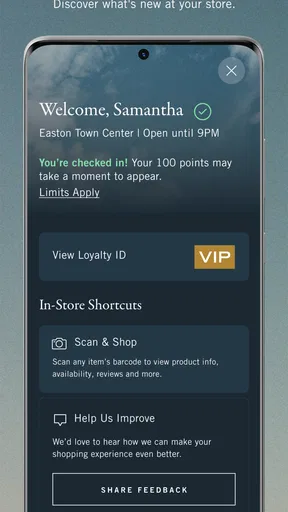
The store summary presents the experience around enduring style and American apparel, while also pointing shoppers toward A&F Club rewards. In practice, that makes the app more relevant to repeat customers than to someone making one isolated purchase. A loyalty program can be useful when you regularly return, but it also means you should pay attention to what you are joining and what account information you choose to maintain.
Worth Reading Before You Choose

EA SPORTS FC Mobile 26 Is a Bigger Football Game, but It Takes Time

Flipboard Shows What News Apps Must Do Beyond the Feed

Switching to Android Auto Means Rethinking Your Driving Routine

Google Calendar Makes a Crowded Week Easier to Manage

Ludo King Makes the Most of the Minutes Between Plans

Baby Panda World Brings Quick Play to Modern Phones, but Its Game Library Feels Busy
Account choices deserve attention
My advice is to treat account creation as a shopping decision, not an automatic step. If you are only browsing, take your time before committing to an account. When you do create one, use an email address you actively monitor and keep your sign-in details separate from accounts you do not want linked to retail activity. This is not a criticism of the app specifically; it is a sensible boundary whenever a shopping service offers saved preferences, order access, or loyalty benefits.
The useful question is not simply whether an account is convenient. It is whether the convenience is worth keeping your shopping history and reward activity in one place. Frequent shoppers may find that worthwhile. Occasional shoppers may prefer to minimize the amount of ongoing account management they take on. I would make that choice deliberately instead of signing up just to look at a product.
What the visible experience can and cannot prove
A polished product page can help me decide whether a garment looks right, but it cannot guarantee that the fit will match my expectations. Clothing remains a category where images, descriptions, and personal measurements all matter. I would check the available sizing guidance carefully, compare it with clothing I already own, and avoid treating a familiar letter or number as universal across every cut.
The app also should not be treated as a substitute for reading the purchase conditions shown during checkout. Delivery timing, returns, exchanges, and any restrictions can affect whether an item is a safe buy, especially when I am shopping for an event or ordering a less familiar size. My practical habit is to pause at the final review step and check the item, size, color, delivery details, and total before confirming.
Using the app without oversharing
The most data-sensitive moments in a shopping app tend to arrive when I move from browsing to buying. Entering contact, delivery, and payment details is fundamentally different from looking at a product. I therefore separate casual browsing from checkout and avoid entering personal information until I have decided that the item is genuinely worth ordering.
I also recommend reviewing the choices presented on screen rather than tapping through automatically. If the app offers optional communications, account benefits, or other selections during registration or checkout, I would choose only the ones I actually want. A reward program may be attractive, but joining it should be an informed trade-off rather than the price of being allowed to browse.
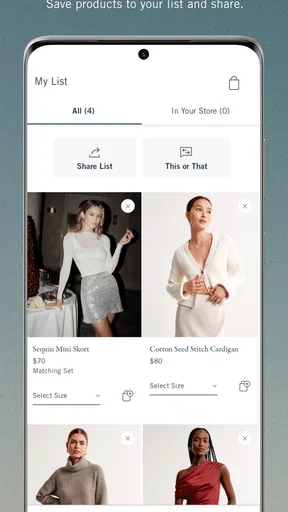
One useful workflow is to make a shortlist before opening the checkout process. I compare the items I am considering, remove impulse additions, and then review the remaining order once. This reduces accidental purchases and makes it easier to notice whether I am buying because a product suits me or because the app has made continuing feel effortless.
Why the app is useful for repeat shoppers
For someone who already knows the brand’s general look, the app can become a convenient routine. I can use it to check new arrivals, revisit familiar categories, and keep shopping tied to one retailer instead of starting from a blank search page every time. The A&F Club reference makes that repeat-shopping use case especially relevant: returning customers have a reason to keep the app available rather than deleting it after one order.
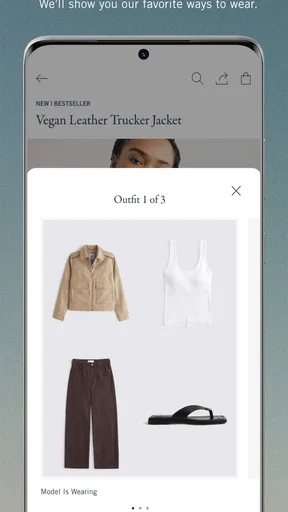
There is also a less obvious benefit to using a brand-specific app when building a wardrobe. It can help me keep a consistent visual direction, because I am not jumping between unrelated retailers with different sizing approaches and styling priorities. That is valuable if I am looking for several pieces that work together. The trade-off is that I may miss a better fabric, price, or fit from another brand, so I would still compare when the purchase matters.
A realistic weekend shopping scenario
Imagine I need an outfit for a casual dinner next weekend. I would begin by browsing rather than searching the entire catalog at random. I might save a few possible tops or bottoms, then compare their colors and likely usefulness with clothes I already own. Instead of buying the first attractive item, I would check sizing information, look for details that affect comfort, and decide whether the piece works beyond the single occasion.
Before paying, I would confirm the selected size and color, review the delivery information, and decide whether joining A&F Club makes sense for my expected future shopping. If I am unlikely to return to the brand, I would not let the rewards invitation rush me into an account decision. If I do shop there regularly, the membership may add enough convenience to justify maintaining it.
That scenario shows where the app helps and where it does not. It can organize a focused brand-shopping journey, but it cannot make personal style, fit, or budget decisions for me. I still need to bring judgment to the process, particularly when product photography makes several options look equally appealing.
Where it compares well with ordinary alternatives
Compared with browsing the brand through a general web search, the app offers a more focused route into Abercrombie & Fitch’s own shopping environment. I am less likely to land on an outdated third-party listing or confuse the brand’s official presentation with a reseller’s page. For a repeat customer, that reduced searching can be the main reason to install it.
Compared with a multi-brand shopping app, however, its specialization becomes a limitation. A marketplace is better when I want to compare materials, prices, fits, and return approaches across several companies in one session. A physical store is better when I need to feel fabric or try on an item before making a decision. This app is most convincing between those extremes: more focused than a marketplace and more convenient than an in-person visit, but not a replacement for either in every situation.
Important friction before downloading
The first limitation is obvious but easy to overlook: the catalog is tied to one brand. If I am undecided about what to wear, the app may narrow my options too early. I would skip it as my primary shopping destination if my goal were to discover independent labels, compare many retailers, or find the most economical option regardless of brand.
The second limitation is the usual distance between digital presentation and physical reality. Even a strong product image cannot reproduce texture, weight, or the way a garment moves. I would be especially cautious with purchases where fabric feel is central, or where a slightly different cut would make the item uncomfortable. In those cases, an in-store visit or a retailer with an easier comparison process may be the better choice.
The third is account discipline. The promise of exclusive rewards can encourage a shopper to register before deciding whether the relationship is useful. I prefer to keep control by asking what I gain, what information I am comfortable associating with the account, and whether I will realistically use the benefits. The app gives the most value when I make that choice consciously.
Compatibility and maintenance
The current release is version 10.2.0 and requires operating system 11 or later. That makes the installation decision straightforward for people using a reasonably current device, but anyone on older software should check compatibility before planning around the app. I would not update my phone solely for a shopping app; if the device cannot run it, the retailer’s other shopping route may be more practical.
The app has been available since June 29, 2015, which gives it a longer presence than a newly launched shopping experiment. That history does not guarantee that every screen will suit every shopper, but it does make the app feel like an established part of the brand’s retail strategy rather than a temporary promotional tool. Its free price also makes testing it low-risk, provided I remain selective about account and purchase choices.
Who should use it and who should skip it
I would recommend it to existing Abercrombie & Fitch customers, shoppers who like the brand’s style, and people who expect to return often enough for A&F Club to matter. It is also a sensible option when I want a direct brand experience instead of sorting through marketplace sellers. The focused catalog can save time once I know what kind of item I am looking for.
I would be more cautious about recommending it to someone who is highly price-driven, needs to compare several brands, or wants to inspect clothing in person before paying. I would also suggest skipping the installation if the only goal is one quick look and the device is short on space or cannot meet the operating-system requirement. In that situation, a browser or physical store may involve less commitment.
My cautious verdict
After using it as a focused shopping destination, I see Abercrombie & Fitch as a solid choice for brand-led purchases rather than a universal clothing solution. Its strongest qualities are concentration, a direct relationship with the retailer, and a clear reason for repeat shoppers to return through A&F Club. The free download and Everyone age rating also make it easy for a wide range of shoppers to try.
My recommendation comes with a boundary: do not confuse convenience with certainty. Check fit information, review the order before confirming, and make account or rewards choices based on your own shopping habits. I would use this app when I already want Abercrombie & Fitch and value a focused route to its collections. When I need broad comparison, tactile reassurance, or the lowest possible price across many brands, I would choose a different shopping method.
Overall, the app earns my recommendation for the right audience. It feels most trustworthy when I keep the decision-making visible: browse without rushing, share details only when necessary for the purchase, and treat loyalty benefits as optional rather than automatic. Used that way, it is a convenient companion for returning customers, while its narrow brand focus remains an honest reason for other shoppers to look elsewhere.
Pros
- Clean
- modern interface makes browsing collections quick and enjoyable.
- Detailed product photos help you inspect fabrics
- colors
- and fit.
- Personalized recommendations can make discovering new styles easier.
- Order tracking keeps delivery updates accessible within the app.
- Wish-list features help save items for later consideration.
Cons
- Some items may sell out quickly
- especially during popular promotions.
- Sizing and fit can vary between product styles and collections.
- Shipping fees or return conditions may differ by location.
- The app may feel slow when loading large product images on weak connections.
- Promotional notifications can become frequent if alerts remain enabled.
FAQs for Abercrombie & Fitch
What is the Abercrombie & Fitch app used for?
The Abercrombie & Fitch app is a mobile shopping platform for browsing and purchasing clothing, accessories, fragrances, and other products from Abercrombie & Fitch and related collections. During testing, the app made it easy to explore categories, view product photos and details, check available sizes and colors, save favorites, and manage purchases from a phone or tablet. It is mainly designed for customers who prefer shopping digitally.
Can I use the Abercrombie & Fitch app to check store availability?
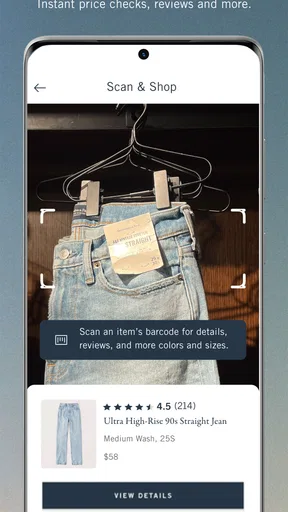
Yes, the app generally provides product availability information that can help you determine whether an item may be available at a nearby Abercrombie & Fitch store. You can usually select a size and color, enter or allow access to your location, and review relevant store options. Availability can change quickly, however, so the information should be treated as an estimate until the item is reserved or confirmed by the store.
Does the Abercrombie & Fitch app offer discounts or member rewards?
The app may provide access to promotions, seasonal sales, personalized offers, and the brand’s loyalty program, depending on your region and account status. Signing in can make it easier to view eligible rewards, track points or benefits, and apply qualifying discounts during checkout. Offers may include restrictions, expiration dates, minimum purchase requirements, or exclusions, so always read the promotion terms before completing an order.
Can I track orders and manage returns through the app?
After placing an order, users can typically review purchase details and follow shipping progress through the app or their connected Abercrombie & Fitch account. The app may also provide instructions for returns or exchanges, although the exact process depends on the order type, country, payment method, and current company policy. Before returning an item, check the applicable deadline, condition requirements, fees, and refund options.
Is the Abercrombie & Fitch app free and safe to download?
The Abercrombie & Fitch app is generally free to download, although purchases made through it cost the same as products selected at checkout and may include shipping, taxes, or other charges. For safety, download it only from the official Google Play Store or Apple App Store, verify that the publisher is authentic, and keep the app updated. Review requested permissions and use a secure connection when entering account or payment information.


